
Every year the ground under digital investigations shifts a little. Heading into 2026, it’s shifting a lot. The old rhythm — seize the device, image the drive, sit down and review it — is quietly being replaced by something faster, more remote, and far more reliant on apps, the cloud, and AI. We work with these tools every day on real cases, so we wanted to share where things are going, and what it means for the teams we support across Malaysia.
Here’s the short version: the evidence has moved, and the way you collect it has to move with it.
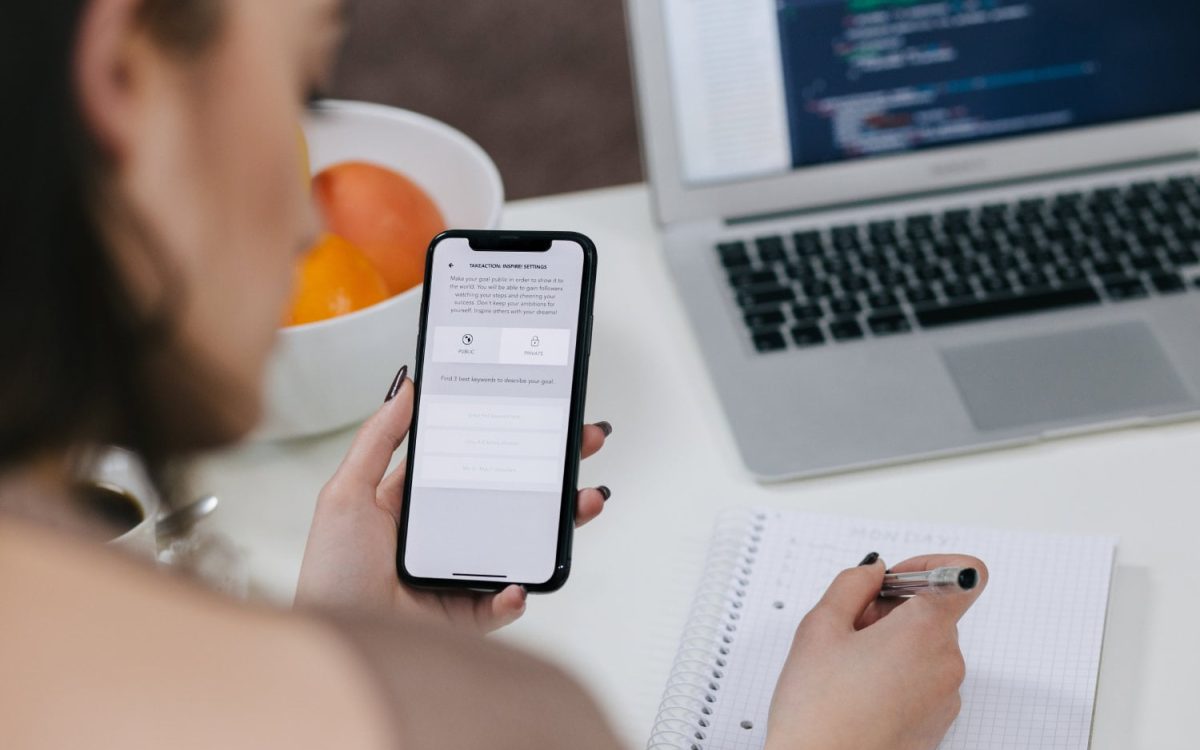
The device is no longer where the case lives
For years, the gold standard was physical: get your hands on the laptop or phone, image it, examine it. That approach still has its place, but as the only plan it’s become a bottleneck. Workforces are distributed, devices are swapped and offboarded constantly, and a breach or HR matter often needs answers within hours — not after a courier delivers a hard drive next week.
Remote collection solves that. It lets an investigation start the moment risk appears, no matter where the device physically sits. For a firm serving clients across different states and offices, that’s the difference between catching evidence while it still exists and explaining later why it’s gone.
The real crime scene is now inside the apps
This is the big one. Email and SMS used to be where you’d find the story. Today the story lives in WhatsApp, Signal, Telegram, Discord, Slack, Messenger — and increasingly in AI chat tools. These apps hold the conversations, the decisions, and the intent, and much of that data is encrypted, cloud-linked, and short-lived. Wait too long, or rely on a generic full-device pull, and the most important evidence is simply never recovered.
Modern investigations have to be app-aware: able to target the right app, the right user, and the right window of time — often remotely. Oxygen Forensic Detective is built precisely for this, rebuilding conversations across the apps people actually use and reaching the data other tools walk past.
AI is a force multiplier, not a replacement
There’s a lot of noise about AI taking over investigations. The honest picture is more useful: AI is becoming brilliant at the heavy lifting — triaging huge datasets, summarising thousands of messages in minutes, flagging patterns, categorising images, and rebuilding timelines across devices and accounts. What it doesn’t do is exercise judgement, carry accountability, or stand up in court. That stays with the investigator.
The platforms worth investing in are the ones that put AI to work across the whole process while keeping a human firmly in control and every step auditable. Speed and defensibility — not one at the expense of the other.
The cloud is now the centre of gravity
More and more, the most valuable evidence never touches a local disk at all. It lives in Microsoft 365, Google Workspace, iCloud, Slack, Teams, and the session logs and authentication trails behind them. A device-only workflow misses it entirely. Investigations now depend on lawful, defensible access to cloud and SaaS data, and the ability to line up those cloud artefacts against what’s on the endpoint.
Less data, but better data
Here’s a shift that surprises people: collecting everything is going out of fashion. Regulators, courts and privacy laws like Malaysia’s PDPA increasingly expect you to collect only what’s relevant. Over-collection now creates legal exposure and inflates review costs instead of covering you. The smart move is targeted, application-aware acquisition — take what matters, leave the rest, and document exactly how you did it. That’s faster, cheaper, and far easier to defend.
The pressure to move fast — and prove you moved correctly
Reporting windows are shrinking to as little as 24 to 72 hours. Defence teams are more technically sharp than ever. And AI-generated deepfakes mean investigators increasingly have to prove not just what a piece of evidence shows, but that it’s genuine and was collected properly. The teams that win are the ones whose processes are defensible, auditable, and repeatable from start to finish.

What this means for you
None of this is a reason to panic — it’s a reason to make sure your toolkit is built for where investigations are going, not where they were five years ago. Remote-first collection, deep app and cloud access, AI that assists without taking over, and workflows that hold up to scrutiny: that’s the brief for 2026, and it’s exactly what Oxygen Forensic Detective and the Oxygen Review Center are designed to deliver.
As Oxygen’s authorised partner in Malaysia, SIAGA does more than supply the licence. We help you choose the right setup for your caseload, deploy it, train your people, and back it with local support — so you’re ready for these changes rather than chasing them.
If your investigations are still built around seizing devices and imaging drives, let’s talk about what a modern, remote-first, app-aware workflow would look like for your team. Contact SIAGA to arrange a conversation or a demonstration of Oxygen Forensics.