
On 1 July 2026, the Dewan Rakyat passed the Cybercrimes Bill 2026 — a 61-clause piece of legislation that, for the first time, directly addresses deepfakes and digitally manipulated intimate images under Malaysian law. The Bill was debated by 48 Members of Parliament before passing on a majority voice vote, and now moves to the Dewan Negara before it can become law.
Much of the public conversation has focused on what the Bill criminalises. We think the more important question is quieter, and it sits at the heart of what we do: how will any of this be proven?
A law is only as strong as its evidence
Winding up the debate, Deputy Prime Minister Datuk Seri Dr Ahmad Zahid Hamidi made a point that deserves more attention than it received. Content is not an offence simply because it was made with artificial intelligence. The prosecution must prove the elements of the offence — the criminal intent behind the content, the purpose it was used for, and the consequences that followed.
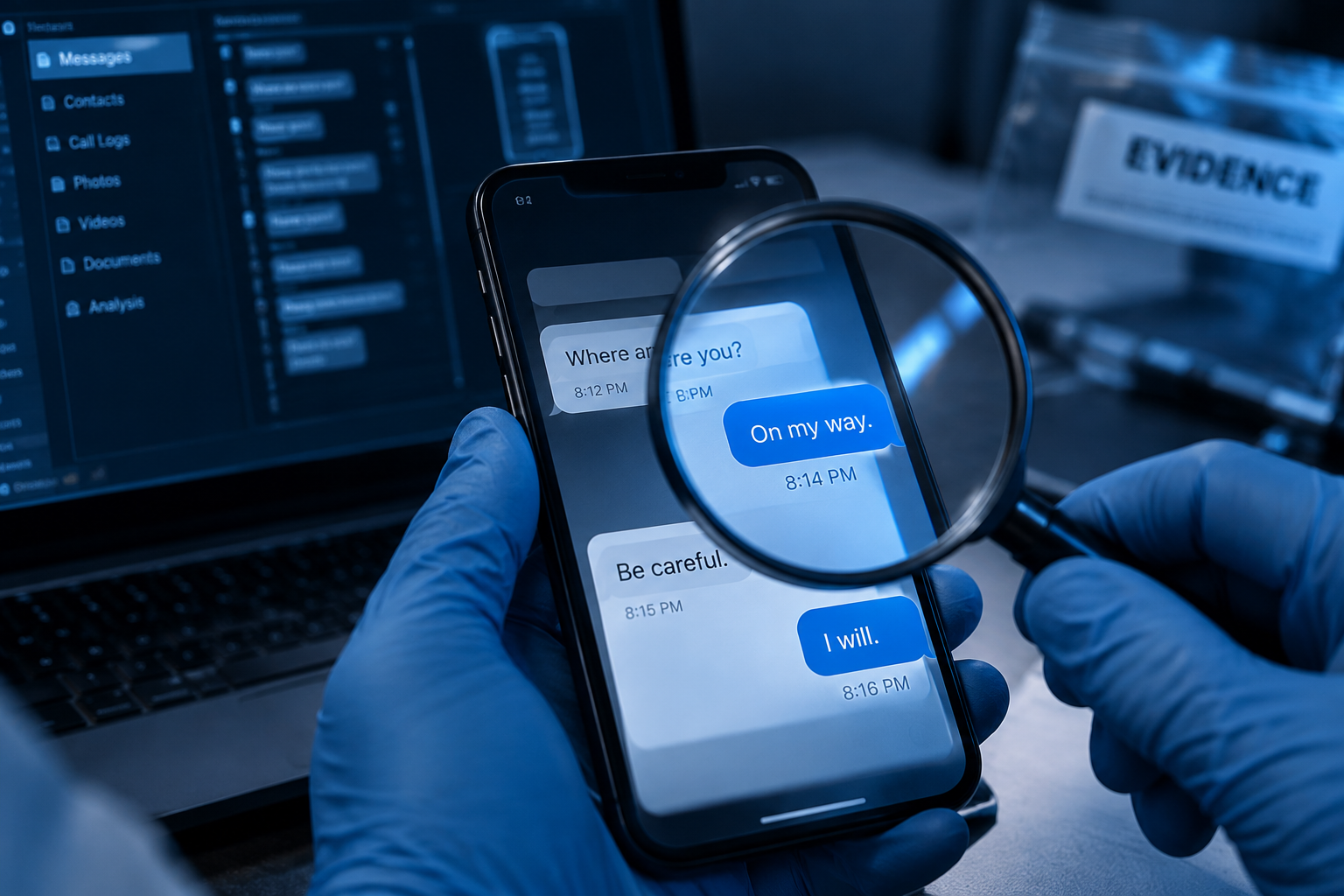
Read that again from a forensic point of view. Every one of those elements lives inside digital evidence. Who created the file, on which device, using which tool? When was it first shared, through which platform, and to whom? Was the image genuinely manipulated, or is the accused claiming a real image is fake — the so-called “liar’s dividend”?
These are not legal questions. They are forensic questions. And they will be answered — or lost — depending on how the evidence is acquired, examined and presented.
Preservation notices will change how organisations respond
The Bill introduces formal powers for investigators to issue notices requiring the preservation of computer data, where there is a genuine risk the data could be deleted, altered or destroyed. Disclosure of data can only be compelled through a written notice to whoever owns or controls it, as part of a lawful investigation.
For Malaysian businesses, this means something practical: if your organisation receives a preservation notice, you will need to secure data quickly, completely, and in a way that does not alter it. Doing this badly — copying files by hand, letting IT staff “have a look first”, or missing volatile data — can compromise the evidence and expose the organisation to further difficulty. Doing it properly requires forensically sound acquisition, documented chain of custody, and defensible handling from the first minute.
This is the discipline SIAGA has built its practice on. Our digital forensics and incident response work is court-ready by design — because in our experience, you rarely know at the start of an incident whether it will end up before a judge.
Deepfake cases will be won and lost on expert testimony
The new offences around AI-generated and manipulated content will put unusual pressure on Malaysian courts. Judges and counsel will be asked to weigh technical questions few have encountered before: detection of synthetic media, generation artefacts, metadata integrity, and the provenance of a file across devices and platforms.
The government clearly anticipates this. On 3 June, it merged CyberSecurity Malaysia and the Malaysian Cryptology Technology and Management Centre into a new Cybersecurity and Cryptology Development Centre under NACSA — with AI forensics named as a priority capability.
The private sector needs the same capability on its side of the courtroom. Whether you are a law firm building a case, a company defending one, or a victim seeking redress, the difference between a persuasive claim and a proven one is often a qualified expert who can examine the evidence, explain the methodology, and withstand cross-examination. SIAGA’s expert witness practice exists for exactly this moment.
What should you do now?
The Bill is not yet law, but the direction is set. Alongside the PDPA Amendment 2024 and its breach notification duties, Malaysia’s regulatory environment now assumes that organisations can find, preserve and explain their digital evidence under pressure.
If you are not confident yours could, that is worth knowing before a preservation notice arrives — not after.
Talk to us about how our DFIR and expert witness services prepare you for a legal landscape where digital evidence decides the outcome.
SIAGA Informatics Sdn Bhd provides court-ready digital forensics, incident response and cybersecurity expertise across Malaysia.