Chain of Custody: Why Finding Digital Evidence Is Only Half the Story...
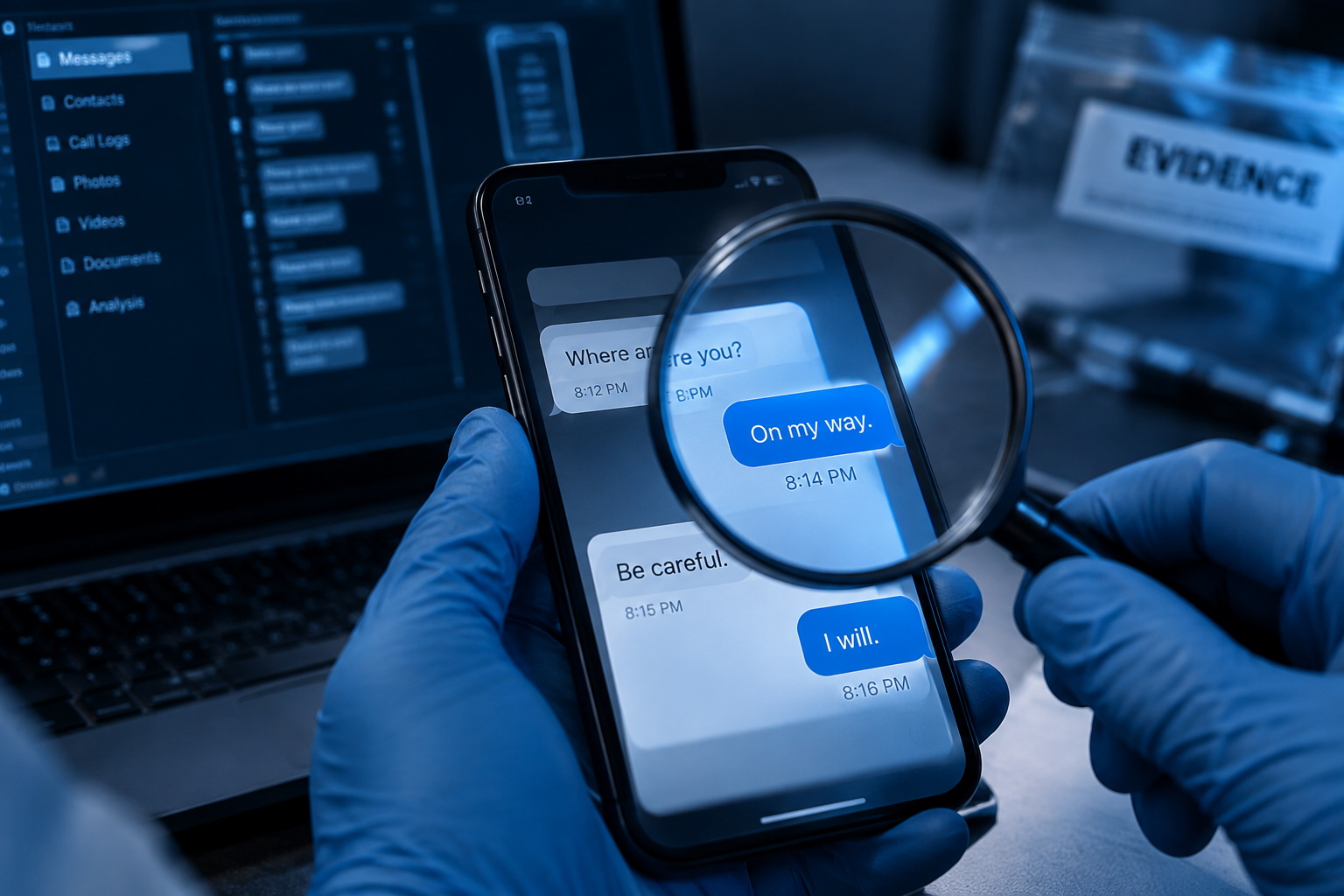
Imagine this. Your organisation is investigating a suspected case of employee misconduct. A laptop has been collected, important files have been discovered, and everything seems to point towards a clear conclusion.Case closed, right?
Not quite.
Finding digital evidence is one thing. Being able to demonstrate that the evidence is authentic, properly preserved, and has not been altered is another.
And sometimes, that distinction can make all the difference in an investigation or legal dispute.This is where chain of custody comes in.
So, What Exactly Is Chain of Custody?
Think of chain of custody as the documented journey of a piece of evidence.
It records who collected it, when and where it was collected, who subsequently handled or accessed it, how it was stored, and what actions were performed on it.
Whether the evidence comes from a laptop, mobile phone, email account, or server, every significant step should be properly documented.
Why does this matter?
Because months later, when an investigation is reviewed or its findings are challenged, the people examining the evidence may not have been present when it was collected.
A well-maintained chain-of-custody record helps establish how the evidence was handled throughout the investigation.
Without proper documentation, even genuine evidence may become harder to defend.
Digital evidence is more delicate than you think.
Unlike many physical objects, digital evidence can change simply through everyday interactions.
For example, switching on a laptop to "have a quick look" may modify system logs, timestamps, or other digital artefacts.
Depending on the circumstances, it could even affect information that might otherwise have been recoverable.The person handling the laptop may have the best intentions, but those actions can complicate a subsequent forensic examination.
This is why digital forensic practitioners use controlled acquisition and preservation procedures.
Where appropriate, a forensic copy of the relevant data is created for examination, allowing investigators to analyse the information while minimising unnecessary changes to the original evidence.
The original evidence is protected through appropriate handling and storage procedures, while each significant action is documented.
The objective is simple: preserve the evidence, maintain its integrity, and ensure its handling can be properly accounted for.
It's not just about criminal.
InvestigationsWhen people hear the term "chain of custody", they often associate it with police investigations and criminal proceedings.
But its importance extends well beyond the courtroom.Consider an organisation investigating a departing employee suspected of taking confidential company information. Or a business dealing with internal fraud, unauthorised access, or a cybersecurity incident.
What begins as an internal investigation may eventually develop into an employment dispute, regulatory inquiry, insurance claim, or civil litigation.
Suddenly, the way evidence was collected and handled becomes just as important as what the investigation uncovered.
And here's the challenge: you cannot always go back and recreate how evidence was handled on day one.
That is why organisations should consider evidence preservation from the beginning, even when legal proceedings are not anticipated.
Here are four questions every organisation must be able to answer, regardless of whether the evidence comes from a laptop, mobile device, cloud environment, or email system, four fundamental questions should guide its handling:
Who collected the evidence? Was the collection performed by an authorised individual using an appropriate method?
Who accessed or handled it? Is there a record of everyone who had custody of or access to the evidence?
Where was it stored? Was the evidence protected against unauthorised access, modification, or loss?
What was done to it? Were acquisitions, examinations, transfers, and other significant actions properly documented?
These questions may sound straightforward, but answering them accurately can be challenging when several individuals or departments are involved.
A clear and consistent record helps investigators, management, legal practitioners, and other relevant parties understand how the evidence was managed.
Good Evidence Handling Starts with Good HabitsMaintaining chain of custody does not necessarily require a complicated process.
What matters is consistency, accountability, and proper documentation.Some practical measures include:
Establish clear procedures. Define how digital evidence should be identified, collected, transferred, stored, and examined.
Use standardised records. Maintain consistent chain-of-custody forms or electronic logs for evidence handling.
Restrict access. Allow only authorised personnel to handle or examine evidence.
Preserve evidence appropriately. Use suitable forensic acquisition and preservation methods.
Document significant activities. Record transfers, access, examinations, and changes in custody.
Secure the evidence. Apply appropriate physical security, access controls, and storage safeguards.
Train relevant personnel. Ensure employees, particularly IT and security teams, understand the importance of preserving potential evidence.
These practices help reduce avoidable mistakes and support a more defensible investigation.
Ultimately, it comes down to trust.
Digital forensic findings are only as credible as the methods and evidence supporting them.
A forensic report may contain detailed technical analysis, but readers also need confidence that the underlying evidence was handled responsibly and that its integrity can be assessed.
Chain of custody helps provide that confidence.It may not be the most exciting part of a digital investigation. There are no dramatic discoveries or sophisticated tools involved in completing a custody form.
But when questions arise about how evidence was handled, those records can become some of the most important documents in the investigation.
And when an incident happens, the last thing you want is to discover that crucial evidence was mishandled before the investigation even began.
At SIAGA Informatics, we help organisations and legal practitioners identify, preserve, and examine digital evidence through established forensic methodologies and documented chain-of-custody procedures.
Whether you're dealing with suspected employee misconduct, a corporate dispute, or a cybersecurity incident, involving the right forensic expertise early can make a meaningful difference.
Not sure how to handle potential digital evidence? Speak to SIAGA before taking the next step.
We are here to help you protect what matters, preserve what is relevant, and approach your investigation with confidence.
Because finding the evidence is only half the story. Preserving its integrity is what helps make the findings defensible.